For decades, the traditional head table has been a staple at wedding receptions. The couple sits front and center, flanked by their wedding party, facing all their guests. While this setup works for some, many modern couples are choosing to rethink it — not because tradition is wrong, but because today’s weddings are more personal, inclusive, and flexible than ever before.
If you’re planning a wedding that reflects who you are as a couple, it’s worth exploring alternatives to the traditional head table. The way you seat yourselves influences not only the look of your reception but also how connected you feel to your guests throughout the evening.
With thoughtful planning — and tools like Harmony, the full-circle wedding planning ecosystem — you can explore seating options that feel natural, comfortable, and aligned with your celebration’s atmosphere.
Why Couples Are Moving Away From the Traditional Head Table
The classic head table places the couple in a highly visible position, often separating them from guests and sometimes even from close family. While this can feel ceremonial, it doesn’t always encourage interaction.
Many couples find that the traditional head table:
Limits meaningful conversation during dinner
Creates physical and emotional distance from guests
Puts constant attention on the couple during meals
Doesn’t suit smaller or more intimate weddings
Feels formal or staged rather than relaxed
Modern weddings prioritize connection, comfort, and shared experience — which is why alternative seating arrangements are becoming increasingly popular.
The Sweetheart Table: Intimate and Elegant
One of the most popular alternatives is the sweetheart table, where only the couple is seated together. This option offers a quiet moment for the two of you to connect while still remaining visible to guests.
A sweetheart table works especially well for couples who:
Want uninterrupted time together
Prefer an intimate dining experience
Have large wedding parties
Want flexibility in seating their friends and family
Visually, sweetheart tables create a beautiful focal point and allow you to design a statement setup with florals or décor. Using Harmony’s seating layout tools, you can position the sweetheart table where it feels connected to the room without feeling isolated.
The King’s Table: Long, Communal, and Social
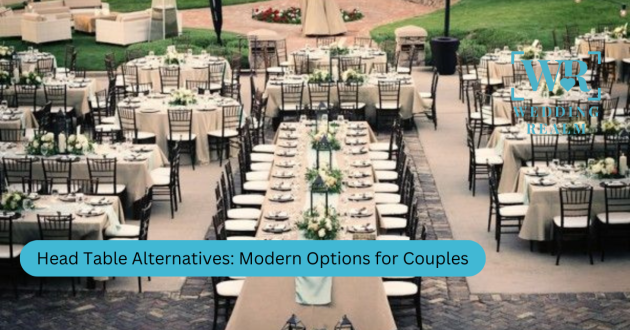
A king’s table is a long table where the couple sits alongside their wedding party, family members, or close friends. This setup blends the idea of a head table with a communal dining experience.
This option works well if you want:
A relaxed, family-style atmosphere
Easy conversation throughout dinner
A visually striking reception layout
A sense of equality rather than hierarchy
King’s tables are ideal for modern, minimal, or destination weddings. Harmony makes it easier to balance seating along a long table so that conversation flows naturally and no one feels left out.
Sitting With Family: Honoring Connection
Some couples choose to skip a head table altogether and sit with their immediate family. This option is deeply meaningful for weddings that emphasize tradition, unity, or blended families.
Sitting with family:
Honors parents and close relatives
Feels warm and inclusive
Reduces the sense of separation
Encourages meaningful conversation
This approach works particularly well for smaller weddings. Harmony helps you map family dynamics clearly, ensuring that seating arrangements respect relationships and avoid uncomfortable placements.
Sitting With Friends: Relaxed and Personal
For couples who value friendship and informality, sitting at a table with close friends can feel more authentic than a formal head table. This option allows the couple to fully enjoy dinner conversations rather than feeling on display.
This setup is ideal for couples who:
Have a close-knit friend group
Want a casual, social atmosphere
Prefer less structure and formality
Want to blend seamlessly with guests
Harmony’s guest grouping and visual layout features make it easy to integrate the couple into a regular table while maintaining balance across the rest of the room.
Separate Seating for Each Partner’s Circle
Some couples choose to sit separately — for example, each partner sitting with their own family or friend group for dinner. While this may sound unconventional, it can work beautifully in the right context.
This option can be meaningful when:
Families are meeting for the first time
Cultural traditions encourage shared hosting
One partner has elderly family members needing support
The couple plans to mingle between courses
Harmony allows you to plan these arrangements intentionally, ensuring both partners are seated comfortably and remain close enough to reconnect throughout the evening.
No Fixed Table: A Fully Social Approach
In very relaxed or non-traditional weddings, some couples skip assigned seating for themselves entirely. Instead, they move between tables, sharing moments with different groups throughout dinner.
This approach works best when:
The wedding is small or medium-sized
The meal is informal or buffet-style
The couple enjoys mingling
There’s flexibility in timing and flow
Harmony helps manage this approach by keeping guest seating organized while leaving the couple’s position intentionally flexible.
How to Choose the Right Head Table Alternative
Choosing the best option comes down to understanding your priorities. Ask yourselves:
Do we want intimacy or visibility?
Do we want quiet time together or conversation with others?
How formal is our wedding style?
What makes us feel most comfortable?
How important is family inclusion?
There is no “right” or “wrong” option — only what feels right for your celebration.
Harmony supports this decision-making process by letting you preview multiple layouts before committing. You can visualize how each option changes the room’s flow and adjust effortlessly.
Planning Head Table Alternatives Without Stress
Non-traditional seating requires clarity and communication. Once you choose your setup:
Inform your planner and venue early
Ensure visibility for speeches and key moments
Consider how photography angles may change
Make sure accessibility needs are still met
Align décor and lighting with your seating choice
Harmony keeps all these elements connected — from seating charts and layouts to vendor coordination — ensuring nothing feels disjointed.
Final Thoughts
Modern weddings are about intention, not obligation. Choosing an alternative to the traditional head table gives you the freedom to design a reception that reflects your personality, values, and relationships.
Whether you choose a sweetheart table, a communal setup, or no fixed table at all, the most important thing is that you feel present, comfortable, and connected throughout your celebration.
With thoughtful planning and the support of Harmony, you can explore modern seating options confidently and create a reception layout that feels natural, inclusive, and entirely your own.